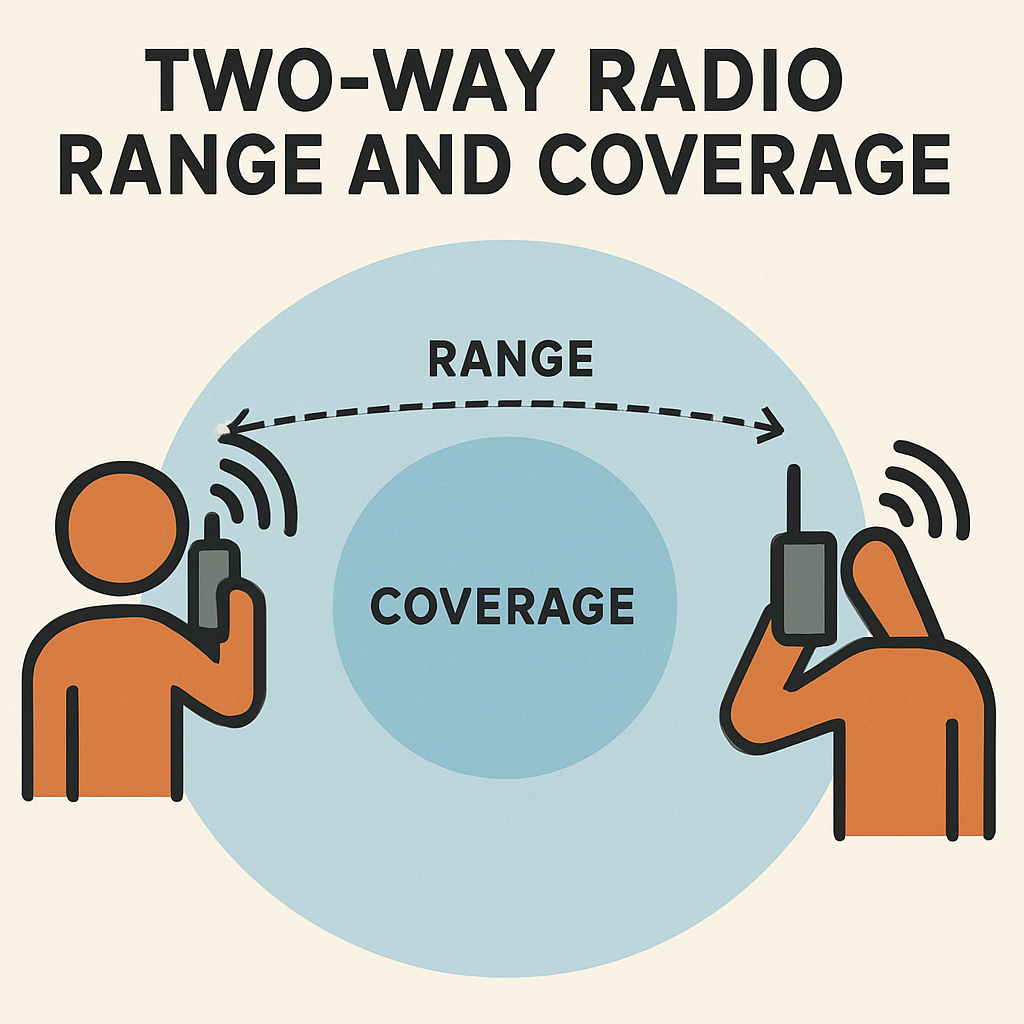
Forget fleeting cool or chasing trends. On the unpredictable CB bands, where static crackles and signals fade, a good handle is your most reliable co-pilot. It’s not just a name; it’s a tool for clear, efficient, and respectful communication. A good handle gets you recognized, understood, and remembered for the right reasons. Let’s break down what makes a handle genuinely “good” and explore some rock-solid examples.
Why “Good” Beats “Gimmicky” Every Time:
- Clarity is King: Over often noisy audio, your handle needs to be instantly understood. No confusion, no asking for repeats.
- Memorability Matters: Fellow operators should recall your handle easily, fostering community and quick recognition.
- Professionalism (Even on CB): Projects a reliable, trustworthy image, especially important for truckers and emergency comms.
- Ease of Use: Rolls off the tongue smoothly when you key the mic – no tongue twisters.
- Appropriateness: Avoids offense, innuendo, or anything that could be misconstrued negatively.
- Functionality: It works in the real world of CB communication.
The Hallmarks of a Truly Good CB Handle:
- Clear Pronunciation: Uses distinct, hard-to-confuse sounds. Avoids similar-sounding words (“Kate” vs. “Eight”).
- Concise: Ideally 1-2 words, max. “Road Hawk” is better than “The Lone Highway Predator.”
- Relevant: Connects to you – your location, vehicle, role, or a positive trait.
- Positive or Neutral: Projects a helpful or professional vibe. Avoids negativity.
- Distinct Enough: While classics are fine, if “Big Rig” is common locally, add a location or slight variation (“Big Rig North”).
- Radio-Friendly: Avoids sounding like common radio terms or numbers (“Break One” could be confusing).
Categories & Examples of Rock-Solid, Good CB Handles:
1. The Clear & Professional:
- Road Hawk: Evokes vigilance, clear, trucker-friendly.
- Desert Runner: Instantly conveys location and activity. Easy to say.
- Mountain Guide: Perfect for those familiar with terrain, projects expertise.
- Valley Voice: Clear location reference, pleasant sound.
- Coast Watcher: Excellent for coastal areas, implies awareness.
- Trail Boss: Authoritative yet classic, great for off-road leaders.
- Night Watch: Clear, implies vigilance for night drivers or base ops.
2. The Role & Vehicle Specific:
- Long Haul: Simple, direct, tells everyone you’re a distance trucker.
- Wheel Man / Wheel Woman: Classic, clear, vehicle-focused.
- Trailer Man: Specific for those hauling trailers.
- Jeepster / Bronco Billy: Identifies your specific rig clearly.
- Base Camp: Perfect for a reliable home station operator.
- First Call / Unit One: Suggests readiness, good for emergency comms participants.
3. The Location-Based (Clear & Useful):
- Dakota Man / Dakota Kid: Strong regional identity.
- Sunshine State: Clear Florida reference, positive.
- Bayou Boy / Bayou Belle: Evokes Louisiana clearly.
- High Plains: Evocative of the Midwest/West, easy to say.
- Pine Tree / Granite State: Clear New England identifiers.
- Canyon Country: Specific and vivid for Southwest operators.
4. The Positive Trait & Reliable:
- Good Neighbor: Projects helpfulness and community spirit.
- Eyes Open: Implies awareness and vigilance on the road.
- Steady Hand: Suggests calmness and reliability.
- Clear Signal: Positive, radio-focused, easy to understand.
- Watch Dog: Protective and alert.
- Helping Hand: Directly states your intent to assist.
5. The Tried & True Classics (They’re Classics for a Reason!):
- Rubber Duck: Universally recognized, clear over the air.
- Good Buddy: Friendly, welcoming, fundamental CB lingo.
- Smokey Bear: Clear warning reference (use respectfully).
- Back Porch: Evokes a home base station clearly.
- Mud Duck: Well-known, implies challenging terrain experience.
- Road Runner: Memorable, clear, positive connotations of speed/smarts.
How to Choose Your Own Good Handle:
- Focus on Function First: Prioritize clarity and ease of understanding over pure coolness.
- What Defines You? Job (Trucker, Rancher, Medic)? Location? Vehicle? Key Personality Trait (Helpful, Observant)?
- Keep it Short & Sweet: One or two strong words. “Iron Horse” is better than “The Guy on the Big Shiny Motorcycle.”
- The Static Test: Yell your potential handle across a noisy room. Can people understand it easily? Does it get garbled?
- Avoid Ambiguity & Negativity: Steer clear of handles that could be misheard as something else or sound aggressive/downbeat.
- Say it Aloud Repeatedly: Does it flow naturally when you say “Breaker Breaker One-Nine, this is [Your Handle]”?
- Consider Your Audience: Are you mostly talking to truckers? Off-roaders? Neighborhood watch? Choose something relevant.
- Test Drive: Use it casually for a few days. Does it feel right? Do people understand it without asking for repeats?
Why “Good” Lasts:
While flashy handles might grab attention for a moment, good handles build lasting recognition and trust. They ensure smooth communication, prevent confusion, and represent you professionally on the air. A handle like “Road Hawk” or “Desert Runner” might not be the edgiest, but it will always be understood, remembered, and respected. In the world of CB radio, where clarity is often hard-won, that reliability is pure gold.