Introduction
In a world that values instant connectivity and seamless mobility, the term “Walky” sparks curiosity. Whether referring to walkie-talkies, innovative mobility devices, or a blend of both, “Walky” embodies the fusion of communication and movement. This blog explores the multifaceted concept of Walky—its roots in two-way radios, its potential in modern tech, and its role in enhancing how we connect and navigate our environments.
1. What is Walky?
The term “Walky” is versatile, often interpreted in two ways:
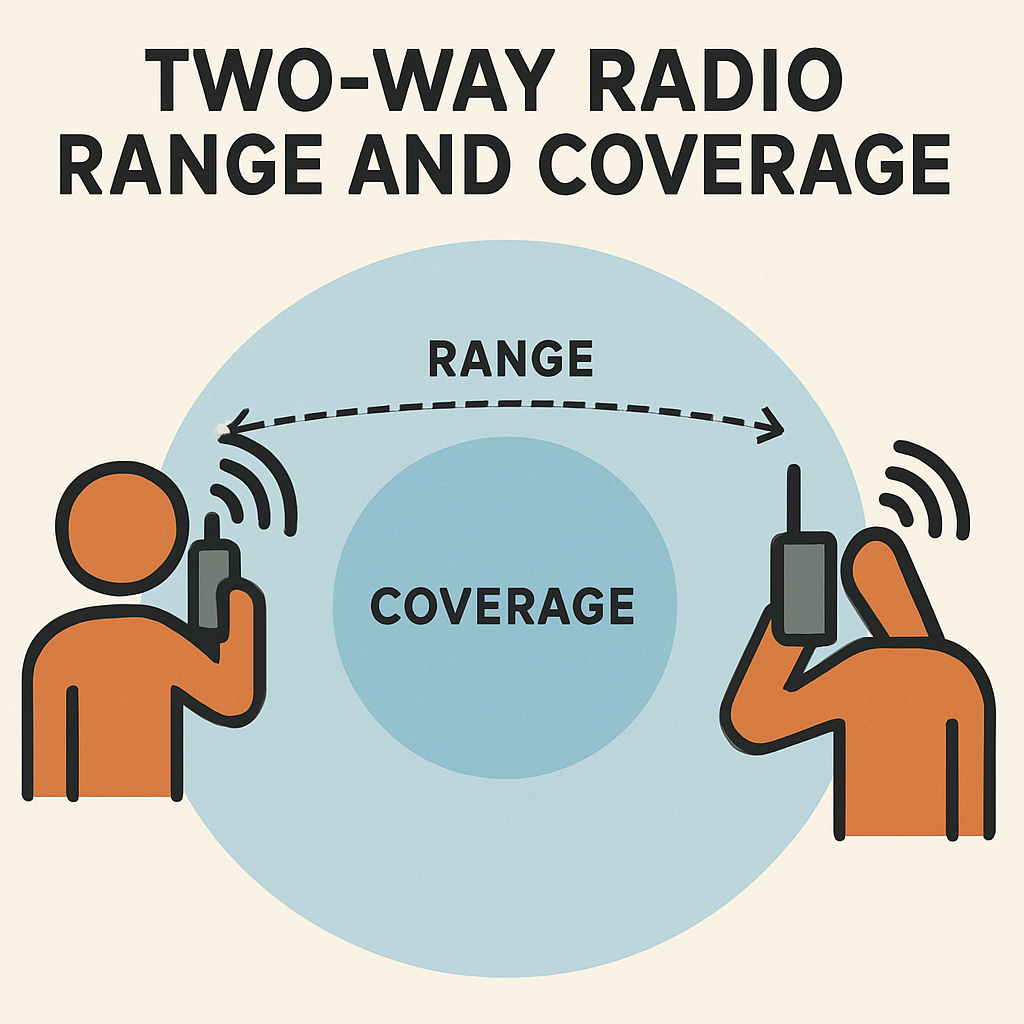
- Walkie-Talkies: Compact, handheld two-way radios enabling real-time communication.
- Mobility Solutions: Devices or apps designed to assist walking, navigation, or accessibility (e.g., smart canes, AR-guided walkers).
This blog dives into both interpretations, highlighting their impact on daily life and industry.
2. Walky as Walkie-Talkie: The Classic Communication Tool
Walkie-talkies revolutionized communication in the 20th century. Today, they remain vital in sectors like:
- Public Safety: Police, firefighters, and EMTs rely on rugged, instant communication.
- Construction: Teams coordinate across noisy, sprawling sites.
- Events: Staff manage logistics at festivals or conferences.
Modern Upgrades:
- Digital Encryption: Secure channels for sensitive operations.
- GPS Integration: Track team locations in real time.
- Hybrid Systems: Pairing radios with apps like WhatsApp for broader connectivity.
3. Walky as Mobility Innovation: Redefining Movement
For those interpreting “Walky” as a mobility aid, advancements are transforming accessibility:
- Smart Canes: IoT-enabled canes with obstacle detection and GPS navigation.
- Exoskeletons: Wearable devices enhancing mobility for individuals with disabilities.
- AR Navigation Apps: Tools like Google Maps Live View guide users through cities with augmented reality.
Impact:
- Empowering independence for elderly or disabled individuals.
- Enhancing safety for pedestrians in urban environments.
4. Bridging Communication and Mobility
The intersection of “Walky” concepts is where innovation thrives:
- Wearable Tech: Smartwatches with walkie-talkie apps (e.g., Zello) and step-tracking features.
- Emergency Systems: Devices that combine fall detection (mobility) with instant SOS alerts (communication).
- Tourism: Guided group tours using walkie-talkies for real-time updates while exploring on foot.
5. Why Walky Matters Today
- Crisis Resilience: Walkie-talkies remain reliable during power outages or network failures.
- Inclusivity: Mobility tech breaks barriers for underserved communities.
- Sustainability: Walking-friendly tools reduce carbon footprints vs. vehicle-dependent solutions.
6. The Future of Walky
- AI-Powered Walkie-Talkies: Voice recognition and automated translation for global teams.
- Smart Cities: Integrated systems where mobility devices communicate with traffic lights and public transit.
- Health Integration: Walky tech that monitors vitals (e.g., heart rate) during walks and alerts emergency contacts.
Choosing the Right Walky Solution
- For Teams: Opt for digital walkie-talkies with GPS and app compatibility.
- For Personal Mobility: Explore smart canes or AR navigation apps.
- For Hybrid Needs: Wearables like smartwatches bridge communication and fitness tracking.
Conclusion
Whether you see “Walky” as a nod to classic walkie-talkies or a leap toward futuristic mobility, its core principle remains the same: empowering people to move and communicate freely. As technology evolves, the line between these concepts will blur, creating tools that are as versatile as the lives they enhance.
Join the Walky Movement
Upgrade your communication gear, explore smart mobility aids, or simply take a walk with a tech-savvy twist. Share your #WalkyStory and how you’re redefining connection and movement!