Introduction
In an era dominated by smartphones and instant messaging, two-way radio services remain a cornerstone of effective communication for industries where reliability and speed are non-negotiable. From coordinating emergency responses to managing large-scale events, two-way radios offer unparalleled advantages. This blog explores why businesses continue to rely on these robust systems, their evolving technology, and how to choose the right service for your needs.
What is Two-Way Radio Service?
Two-way radio service provides instant, push-to-talk communication between users over dedicated frequencies. Unlike cellular networks, these systems enable direct, real-time dialogue without relying on external infrastructure—making them ideal for environments where cell coverage is weak or overloaded. Services range from equipment sales and rentals to maintenance, licensing support, and system integration.
How Do Two-Way Radios Work?
Two-way radios transmit and receive signals via radio waves, operating on either:
- Licensed Frequencies: Reserved for specific users (e.g., public safety agencies), offering exclusive use and reduced interference.
- License-Free Bands: Open to the public (e.g., FRS/GMRS in the U.S.), ideal for small businesses or temporary use.
Modern systems use digital technology for clearer audio, encryption, GPS tracking, and integration with other tools like LTE or VoIP.
Key Benefits of Two-Way Radio Services
- Instant Communication: Push-to-talk (PTT) enables immediate contact, critical for emergencies.
- Durability: Rugged designs withstand harsh environments (dust, water, drops).
- Cost-Effectiveness: No monthly fees (for licensed systems) and lower operational costs vs. cellular plans.
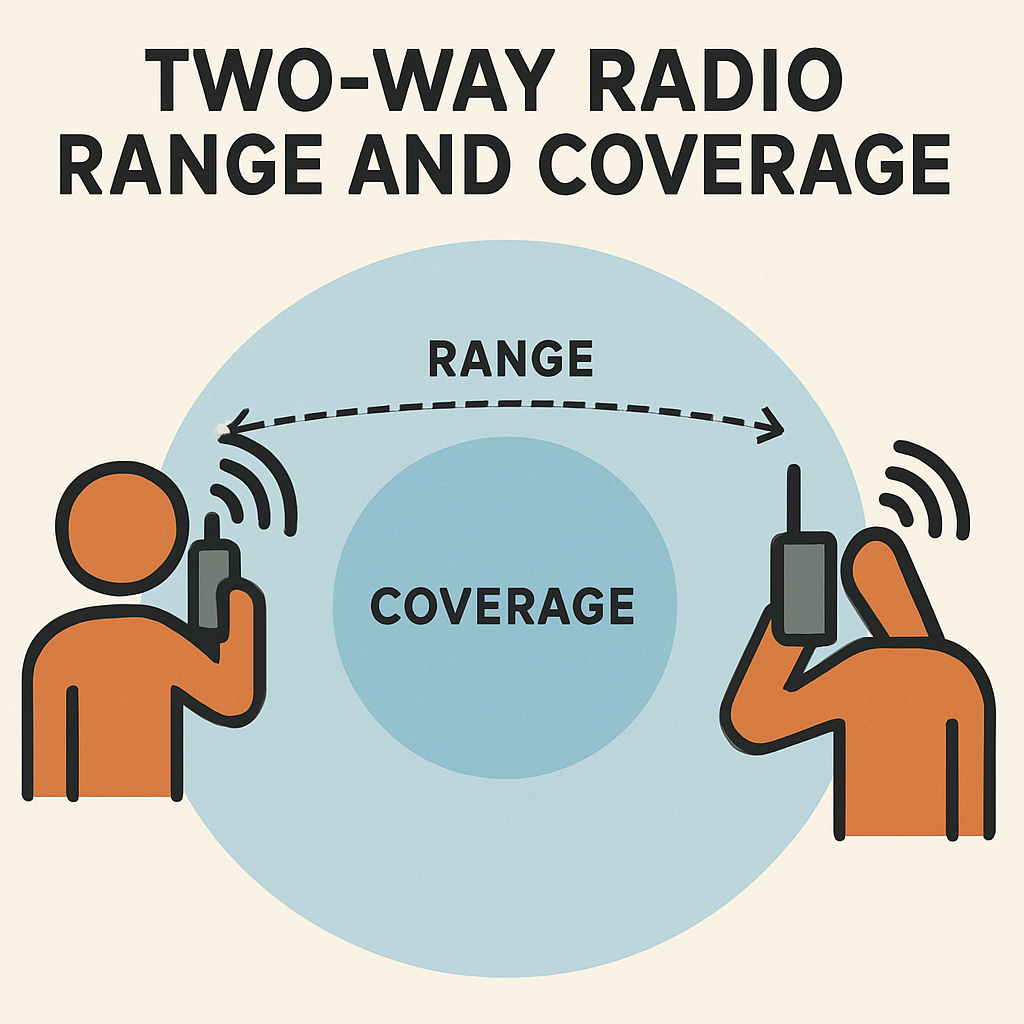
- Wide Coverage: Repeaters extend range, ensuring connectivity in remote areas.
- Enhanced Safety: Emergency buttons, lone worker alerts, and encrypted channels protect users.
Industries That Rely on Two-Way Radios
- Public Safety: Police, fire, and EMS teams depend on radios for coordinated crisis response.
- Construction: Crews communicate across sprawling sites, often in areas with poor cell service.
- Events & Hospitality: Staff manage crowds and logistics seamlessly at festivals or hotels.
- Logistics & Transportation: Warehouses and fleets optimize operations with real-time updates.
- Healthcare: Hospitals use radios for rapid internal coordination during emergencies.
Choosing the Right Two-Way Radio Service
Consider these factors when selecting a provider:
- Analog vs. Digital: Digital offers superior audio, security, and features but may cost more upfront.
- Licensing Needs: Determine if your operations require licensed frequencies for exclusivity.
- Scalability: Can the system grow with your business? Look for modular designs.
- Support Services: Opt for providers offering 24/7 maintenance, training, and repairs.
- Compliance: Ensure equipment meets regulatory standards (e.g., FCC, CE).
Future Trends in Two-Way Radio Technology
- AI Integration: Smart systems could prioritize critical communications during emergencies.
- Hybrid Networks: Combining traditional radio with LTE/5G for broader coverage.
- IoT Connectivity: Linking radios to sensors and devices for smarter workflows (e.g., asset tracking).
- Enhanced Encryption: Advanced cybersecurity to thwart eavesdropping in sensitive sectors.
Debunking Myths
- “Radios Are Obsolete”: Modern systems integrate with smartphones and cloud platforms.
- “Limited Range”: Repeaters and mesh networks can cover entire cities or industrial complexes.
- “Poor Sound Quality”: Digital radios deliver crystal-clear audio, even in noisy environments.
Conclusion
Two-way radio services are far from outdated—they’re evolving to meet the demands of a connected world. Whether you’re managing a construction site, coordinating disaster response, or streamlining event logistics, these systems offer reliability, security, and efficiency that modern alternatives can’t match. By partnering with a trusted provider, businesses can future-proof their communication strategies and ensure seamless operations.
Take the Next Step
Evaluate your organization’s communication needs today. Invest in a two-way radio service that keeps your team connected, safe, and productive—no matter the challenge.