-
Comparing Walkie Talkie Ranges: A Guide
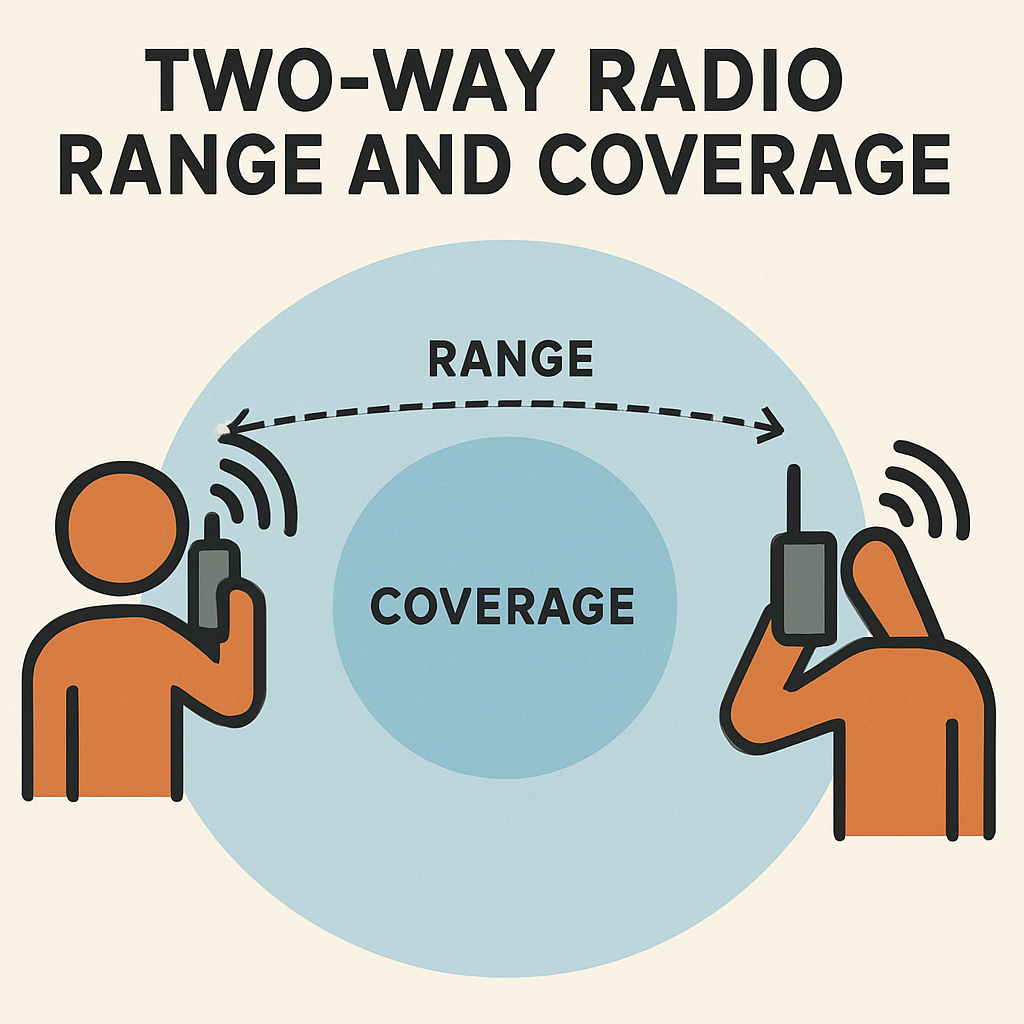
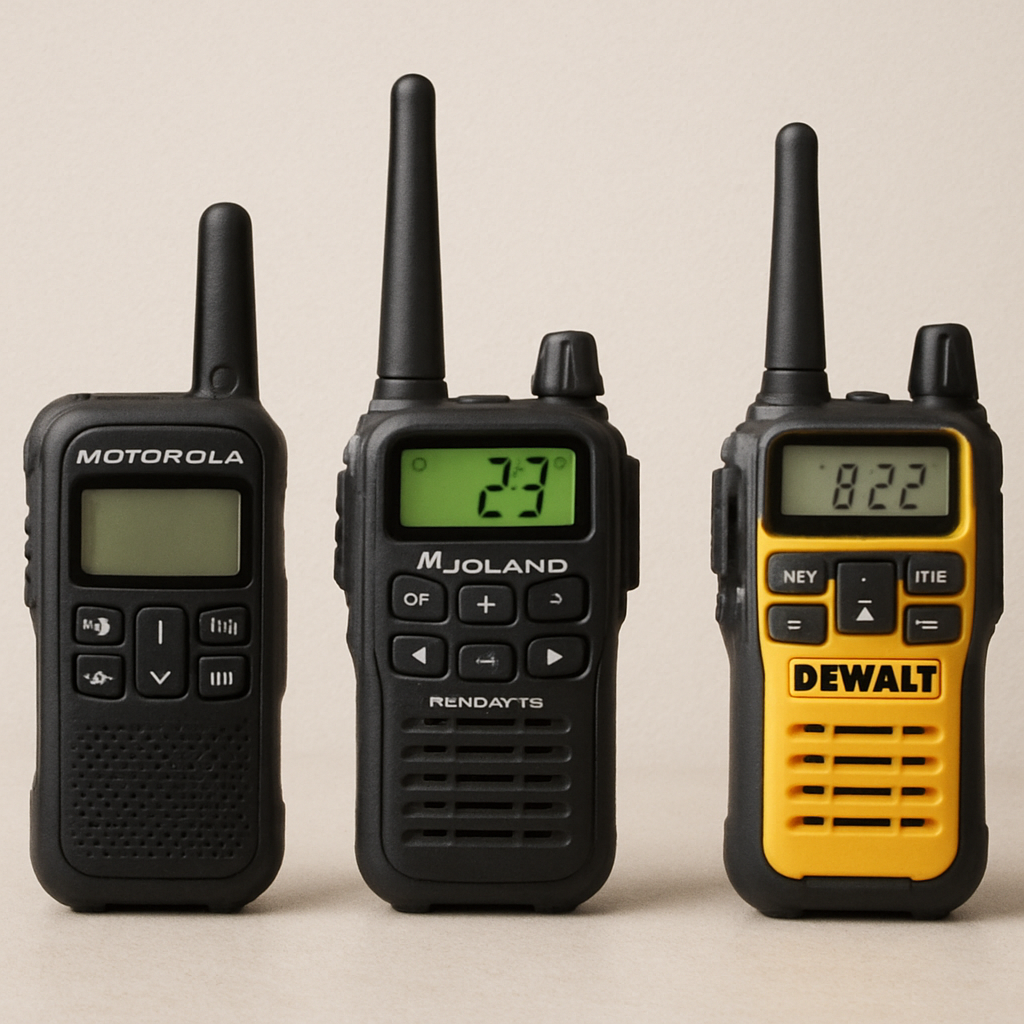
When it comes to choosing the best walkie talkie for your needs, understanding the range is crucial. Walkie talkies, also known as two-way radios, are an essential tool for communication in various scenarios, whether you’re hiking in the wilderness, coordinating a team event, or simply keeping in touch during outdoor activities. But how do you determine which walkie talkie offers the best range? Let’s dive into the factors that affect walkie talkie distance and explore some of the top models on the market today. The range of a walkie talkie refers to the maximum distance over which it can effectively transmit and receive signals. However, several factors can affect this range, including: Frequency Band Walkie talkies operate on different frequency bands, mainly FRS (Family Radio Service) and GMRS (General Mobile Radio Service). FRS radios typically have a shorter range, suitable for family and recreational use, while GMRS radios offer a longer range and are ideal for more demanding applications, such as professional use or in remote areas. FRS channels are usually less crowded and do not require a license, making them accessible for casual users. On the other hand, GMRS requires a license but provides higher power output, enhancing communication capabilities over longer distances. Understanding these differences is crucial for selecting the appropriate walkie talkie for your specific needs. Terrain and Environment The surrounding environment plays a significant role in determining the effective range of a walkie talkie. Open areas with a clear line of sight, such as fields or open water, allow signals to travel farther. In contrast, urban environments with buildings, trees, and other obstructions can significantly reduce the range. For example, dense forests can absorb radio waves, limiting their reach, while mountainous terrains can cause reflections and signal dispersion. Additionally, weather conditions like fog or rain may also impact signal strength, making it essential to consider your typical operating environment when choosing a device. Power Output The power output of a walkie talkie, measured in watts, affects its transmission range. Higher power output generally translates to a longer range. However, it’s important to note that higher power also means increased battery consumption. Therefore, balancing power output with battery life is vital for prolonged use, especially in remote areas where recharging may not be possible. Some walkie talkies come with adjustable power settings, allowing users to switch between low and high power modes depending on the situation. This flexibility can help conserve battery life while still providing adequate range when needed. Antenna Quality The quality and length of the antenna impact the walkie talkie’s performance. A well-designed antenna can enhance the range by transmitting and receiving signals more efficiently. Antennas are often overlooked, yet they are critical components that can make a significant difference in communication quality. Longer antennas generally provide better performance, but they can be cumbersome for portable use. Therefore, finding a balance between size and functionality is essential. Additionally, some models offer detachable antennas, allowing users to upgrade to higher-performance options for extended range if necessary. Top Walkie Talkies with the Best Range Now that we have a basic understanding of the factors affecting walkie talkie range, let’s explore some of the best models known for their impressive distance capabilities. Motorola T600 H2O The Motorola T600 H2O is a popular choice for outdoor enthusiasts. This waterproof radio offers a range of up to 35 miles in ideal conditions. With 22 channels and 121 privacy codes, you have plenty of communication options. Its rugged design and floating capability make it perfect for water-based activities like kayaking or fishing. Additionally, the radio includes an emergency alert feature, allowing users to send distress signals if needed. Its intuitive interface and built-in flashlight add to its practicality, making it a versatile tool for any adventure. Midland GXT1000VP4 The Midland GXT1000VP4 is a GMRS radio known for its reliable long-range performance. It boasts a maximum range of up to 36 miles in open areas and features 50 channels with 142 privacy codes. The radio is also weather-resistant, making it suitable for various outdoor settings. It includes a built-in NOAA weather scan and alert system, keeping users informed of severe weather conditions. The GXT1000VP4 also supports hands-free operation with its VOX feature, enhancing convenience during activities where using hands is challenging. Cobra ACXT1035R FLT The Cobra ACXT1035R FLT is another excellent option for those seeking a long-range walkie talkie. It offers a range of up to 37 miles and includes 22 channels with 121 privacy codes. This model is equipped with a built-in NOAA weather alert feature, ensuring you stay informed about changing weather conditions. Its rubberized grip provides a secure hold, and its waterproof design ensures reliability in wet environments. The ACXT1035R FLT also includes a rewind-say-again feature, allowing users to replay missed radio calls, ensuring no communication is lost. Uniden SX507-2CKHS The Uniden SX507-2CKHS is a versatile walkie talkie designed for both recreational and professional use. With a range of up to 50 miles, it provides excellent coverage in open areas. The radio features 22 channels and 142 privacy codes, along with a built-in flashlight for added convenience. Its robust construction makes it suitable for harsh environments, and its dual charging options offer flexibility for users on the go. The SX507-2CKHS also includes a weather alert system and a silent operation mode, allowing discreet communication in sensitive situations.…